
The Benefits of Multi-Sport Training for Young Athletes: Why Diversification Matters
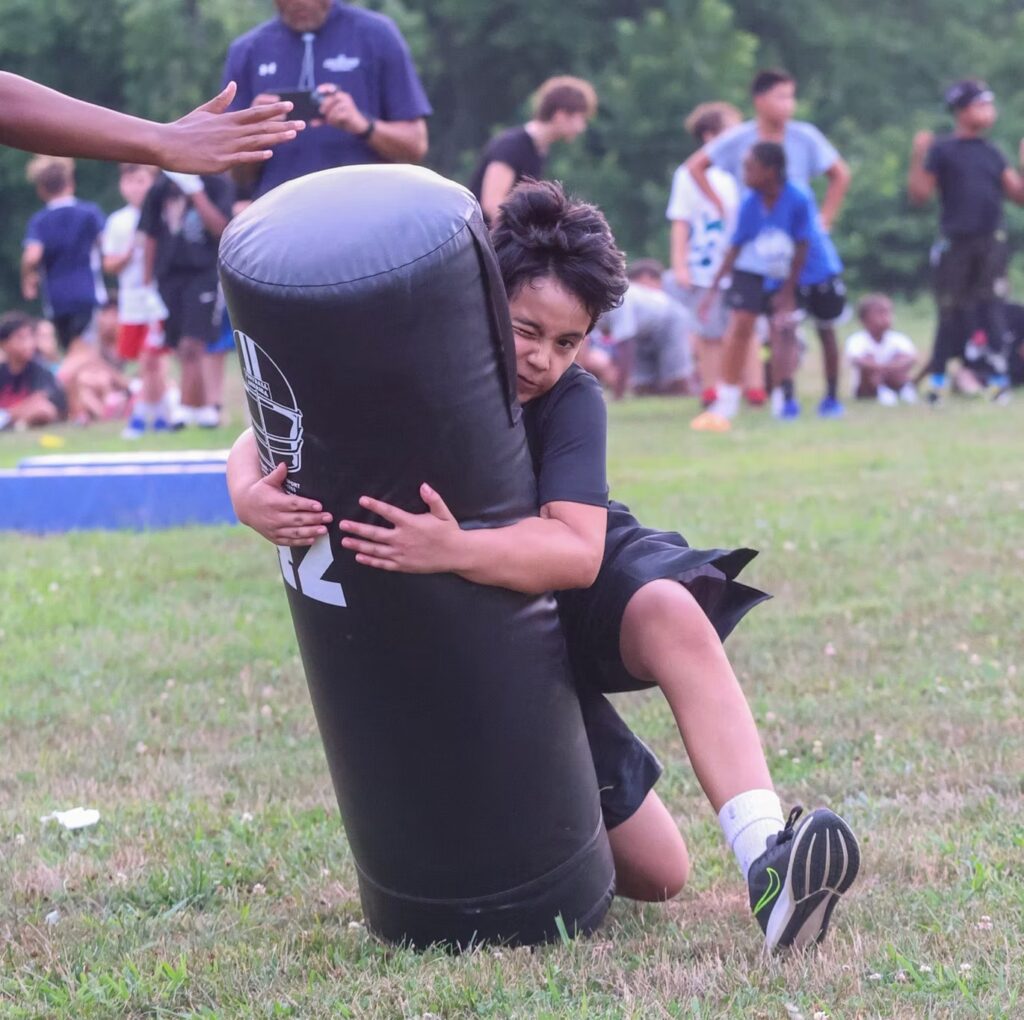
The Benefits of Multi-Sport Training for Young Athletes: Why Diversification Matters Multi-sport training forms the backbone of real athletic development at So Icey Athletics, a youth sports organization based in Clarksburg that serves Montgomery County and Upcounty Maryland with pride. Year-round, young athletes move from turf to court and diamond to track, growing not only in skill but in character. The gym echoes with laughter and encouragement during a basketball drill; the ball fields buzz with focus and camaraderie as teams prepare for crisp fall games. That energy isn’t an accident – it’s the result of a structure designed by community-rooted coaches who remember first steps onto new fields, nerves and all. Behind every athlete lies a series of pivotal moments – lessons in adaptability, perseverance, and leadership. Veterans of league sports know firsthand that specializing too early narrows both opportunity and spirit. Parents notice a difference when sons or daughters rotate through football one season and track another – stamina climbs, confidence builds, and burnout fades into curiosity. Watching these young people adapt, conquer setbacks, and celebrate growth reveals that true progress doesn’t come from repeating yesterday’s drills, but from exposure to new challenges alongside mentors who see more than just potential on paper. At So Icey Athletics, this philosophy weaves through every program – competing across multiple sports is not encouraged for variety’s sake, but because it shapes better competitors, teammates, and leaders for life. It’s how a club grows strong roots: Through shared sweat equity on courts and community work off them. Here, training is never just about tomorrow’s scoreboard. It’s about building foundations for resilience, confidence, and responsibility that Montgomery County families value for years to come. Unlocking True Potential: Why Multi-Sport Training Matters for Youth Athletes So Icey Athletics, based in Clarksburg and serving the energetic heart of Montgomery County, stands out as a multi-sport youth club dedicated to youth athlete development Maryland families can trust. Here, kids grow on fields and courts among peers and mentors with real athletic stories – paths built on both wins and setbacks. Through football drills in crisp fall air, track sprints during spring, hardwood intensity in basketball season, or sharpening hand-eye skills in baseball, young athletes experience challenges that stir competitive fire and teach grit under pressure. Across every sport, a quiet truth threads through the fabric of today’s youth sports world: The push toward early sport specialization brings risks that even the most determined kids sometimes pay for – overuse injuries that keep favorite sneakers tucked under beds, seasons lost to burnout, and stress that chips away at their spark for play. Some young players, fueled by a hunger for greatness or pressure to chase offers too soon, sacrifice crucial seasons for single-sport focus. The cycle often ends with frustration or fatigue before high school dreams ever take shape. This is why true elite youth sports coaching favors breadth before narrow focus – because leadership emerges from every position played, not just one. So Icey Athletics builds programs around long-term potential, not short-term titles. Multi-sport training does more than fill a calendar. Each practice and game becomes a lesson in adaptability, spatial thinking, teamwork with new faces, and handling both victory and setback with humility. These daily habits – cultivated by certified trainers and caring staff – set young people apart as competitors and as community leaders who thrive far beyond youth leagues. From the Field to the Court: How Multi-Sport Training Builds the Complete Athlete Elite athletes rarely travel a straight line toward mastery. On a Monday, you’ll find an eighth-grade cornerback – let’s call him Jordan – doing footwork drills on So Icey Athletics’ turf in Clarksburg. Friday, he lines up at the track for a 200-meter relay, firing explosive bursts down the straightaway. This rhythm repeats across the program. Each switch brings new demands, shaping instincts and abilities beyond any single playbook. Training in more than one sport ignites physical tools coaches crave: speed off the line, quickness on a turn, change-of-direction power. A football player learns in track that real acceleration doesn’t begin with the first whistle; it’s born from good sprint form and proper drive phase mechanics – coached by Division I veterans who see where game-day tightness comes from poor running habits. When basketball season arrives, the same athlete’s court vision gets sharper. Stealing a pass becomes instinct as defensive slides trained on hardwood pop up to keep wide receivers in check by fall. One guard recalls how baseball’s hand-eye coordination drilled under warm June sun set him apart later during winter league basketball – where split-second decision-making helped him steal three balls in one half. Softball and baseball swing patterns teach rotational explosiveness and core discipline, translating instantly when powering through contact at the football goal line or hustling down a lane during fast break. Coaches use each crossover moment to knit confidence, not confusion: “Did that first step you learned on defense help you drive past your man? Let’s tie those moves together.” Speed: Sprints in track sharpen acceleration and proprioception for every sport. Agility: Basketball pivots and shuffles increase balance and change-of-direction for football and baseball. Coordination: Hitting drills from baseball demand precise timing, improving fine motor control for ball handling in basketball and fielding in football. Adaptability: Competing under new rules, with fresh teammates and unfamiliar situations, grows flexible leaders who approach every challenge head-on. Every So Icey Athletics coach models this diversified growth. Years inside collegiate and club environments taught them what top-tier programs value – not just stats, but decision-making under pressure. Young athletes start recognizing patterns that cross boundaries; they use a basketball cut when breaking out of football coverage, then return to structured drills where track mechanics keep their knees safe and progress efficient. Confidence builds with every shift in scenery. The athlete who once hesitated to leave one team finds excitement instead – knowing each field offers new skills to capture and strengths to share. Stronger, Safer, and Smarter: Reducing
‘Partnering with Schools: How Local Athletic Programs Support Student Success’
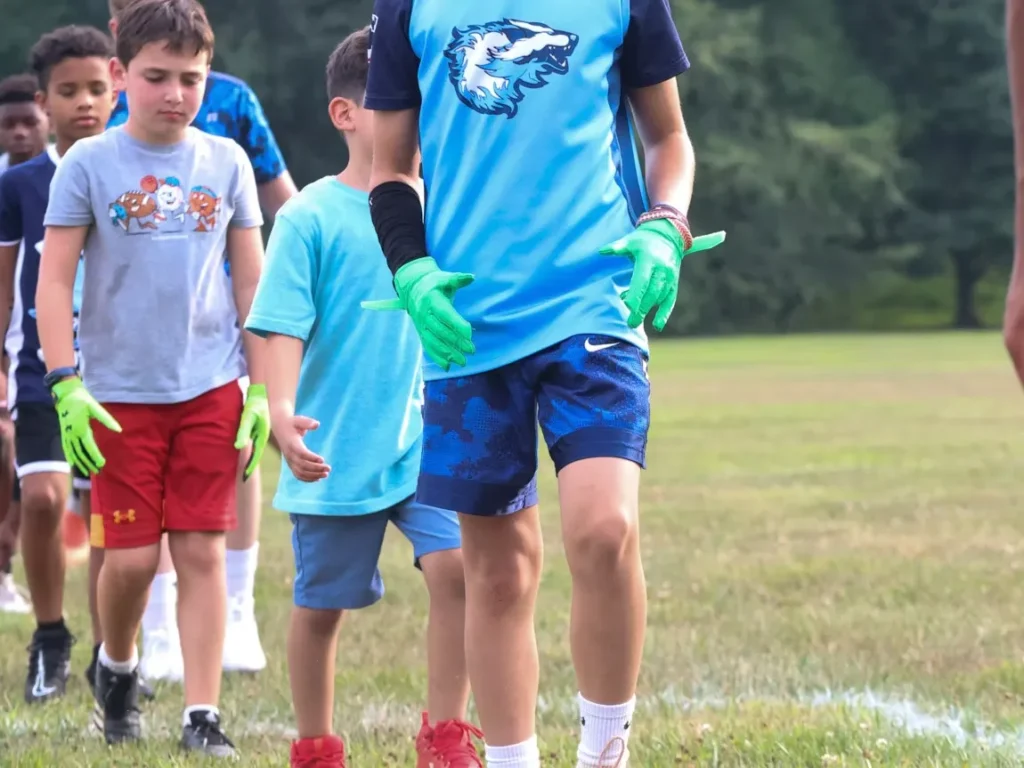
‘Partnering with Schools: How Local Athletic Programs Support Student Success’ Friday night under the field lights in Clarksburg brings more than a surge of team chants and painted faces – it’s a kinetic mix of school spirit, families bundled on metal bleachers, and young athletes testing their limits. These moments thrive when local schools and youth athletic programs move in sync. The biggest win comes not just at the buzzer, but in building pathways that shape disciplined teammates into resilient leaders. So Icey Athletics, rooted in Montgomery County, threads together Division I-level coaching and lasting community values for students aged 6 to 18. Their approach goes well beyond drills and scoreboard results, showing how true partnerships mold confidence, belonging, and character – starting at practice and echoing everywhere a kid carries those lessons next. Beyond the Field: Why School Partnerships Amplify Impact Collaboration between local schools and youth sports organizations strengthens every dimension of the student-athlete experience. The work between So Icey Athletics and Montgomery County’s public schools illustrates what happens when structure and expertise unite behind a shared goal – growing kids as complete people, not just competitors. Schools hold the essential keys for launching student success through sports: daily access to students, dedicated facilities, and a built-in support network. Coaches interact regularly with families, advising on academic workload and setting the expectation that discipline earned in the classroom carries onto the field. This academic accountability means students never have to choose between their books and their teams – good grades unlock playing time, and healthy routines structured around athletics keep young people engaged in their education. So Icey Athletics steps in where schools benefit from specialized guidance. Certified trainers run off-season skill clinics for high school basketball players who want targeted skill development to supplement varsity practice. Leadership seminars feature college athletes from the area who speak with honesty about balancing social pressure with rigorous academics, offering blueprints that younger athletes can model. School athletic partnerships make these supplementary opportunities available to more students by sharing facilities, distributing schedules, or coordinating alongside district calendars. Athletic clubs like So Icey Athletics bring mentorship models that reach beyond scoreboards. At community forums, parents hear directly from head coaches about positive discipline strategies – a distinctive approach, compared to traditional “push to be tougher” lectures. Student-athletes focus on responsibility, respect for opponents, and self-advocacy. During camps, staff build moments that reward not just talent but leadership in action – athletes who comfort a struggling teammate during sprints, step in as peer referees during disputes, or help younger kids handle disappointment after a loss. Shared Resources: Schools offer gym space or weight rooms during downtimes; So Icey’s trainers bring portable equipment and video analysis tools so sessions go deeper than routine drills. Aligned Goals: Both organizations reinforce the expectation that missed homework or classroom missteps have implications for sports participation – academic goals climb higher when kids value their spots on the roster. Community Building: Joint events introduce school families to sports pathways outside the typical varsity ladder, broadening young athletes’ ideas about what they can become inside the Montgomery County youth sports community. The impact of these school athletic partnerships stretches forward. Past participants now mentor incoming freshmen, bridging the gap between middle and high school transitions. The story of one So Icey athlete – a former C-average middle schooler recruited off the playground by a mobile skills clinic – reminds us what this partnership sets up: he missed practices when grades slipped but received targeted tutoring arranged by his coach. That season did not end with a championship banner, but two years later he holds a JV co-captainship and an honor roll spot at his local high school. He credits both his school advisors and his So Icey mentors with keeping him “in check” – on top of classroom responsibilities while finding confidence far beyond athletics. When community clubs and local schools work together in Montgomery County, kids find themselves caught in a web of structure and encouragement. At So Icey Athletics, those links are intentionally woven – to build competitive athletes prepared for any arena, supported at every step as whole students and leaders in their communities. Athletic Training Meets Academic Excellence Structured partnerships between school districts and So Icey Athletics have rewritten the playbook for student achievement. Discipline and academic support extend past bell schedules when a school hands its athletes off to coaches who see young people first – as students, then as competitors. Athlete development in Maryland now means teachers, deans, and coaches communicate about workload patterns, class projects, and athletic demands every season. The daily routine follows a predictable flow. As practice slots fill up, athletes submit quick grade updates while prepping gear. Academic check-ins – required before skills work – keep players on pace with their coursework. Missing an assignment earns extra sideline tutoring on site from teammates who excel in those subjects. Correction feels constructive rather than punitive, and the field becomes an extension of the classroom. Consider Amir’s story: Med school aspirations seemed distant after he transferred mid-year with transcripts battered from burnout. Within weeks at So Icey Athletics, he entered a roster governed by new rules – first, turn in a weekly assignment tracker; second, become a mentor to freshmen juggling multiple sports. After missing a deadline, Amir spent two practices tutoring his younger teammate under coach supervision. By spring, his grades rose, tension fell away, and both students learned more by coaching each other than by trudging through homework alone. Leadership blossomed in moments of adversity – a fact he mentions now when speaking to new So Icey families about real success. Keys to Sustained Success: Athletic Routine Drives Academic Discipline Multi-Sport Approach: So Icey Athletics encourages flexible participation across basketball, football, baseball, and track. Multi-sport training beats monotony and improves time management; each transition sharpens adaptability that transfers directly to the classroom. Mentorship Woven Into All Levels: Formal peer mentorship pairs upperclassmen with younger athletes for weekly